
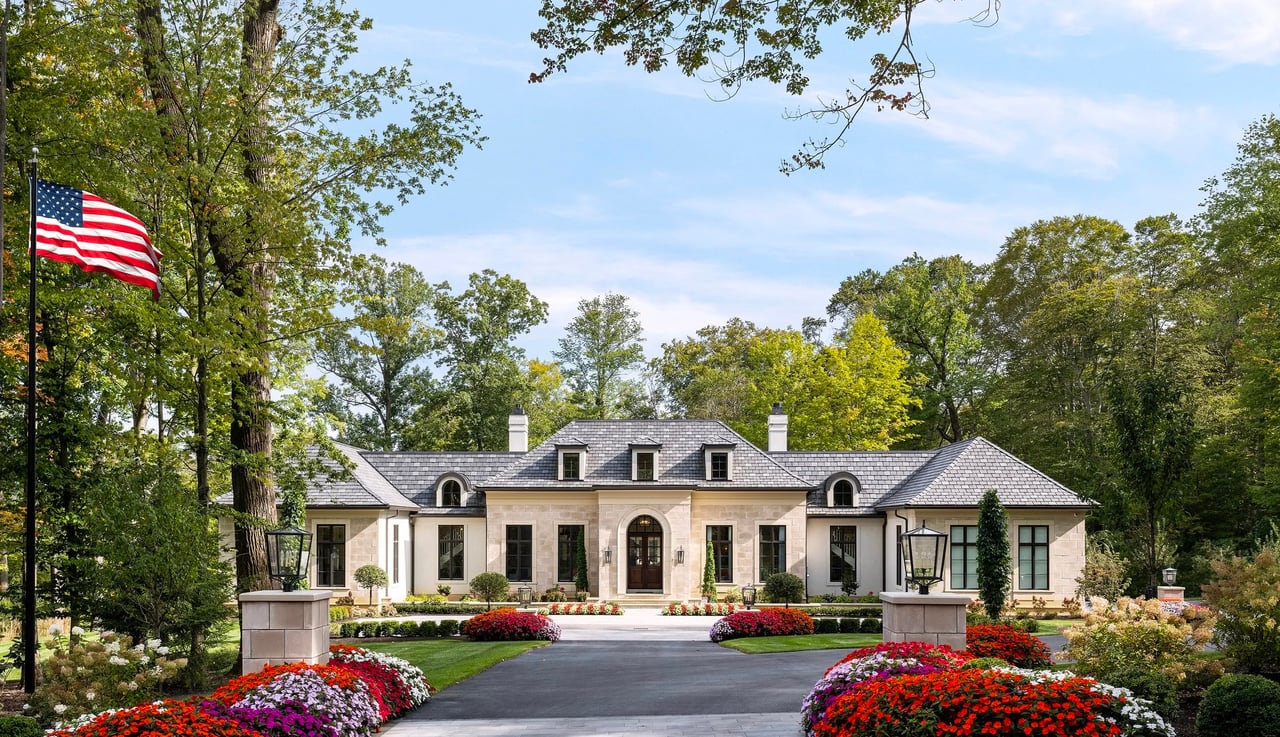
AI wealth is driving Silicon Valley home prices in two completely different directions at once: since OpenAI released ChatGPT in November 2022, homes priced between $3.1 million and $7.6 million have gained roughly 13.4% in value, while homes priced between $535,000 and $615,000 have lost about 3.8%, according to Redfin. The divergence has no real precedent outside the Bay Area, and it is accelerating heading into 2026. San Francisco metro's median home sale price climbed 14.4% year over year in March, and Santa Clara County's median now sits near $1.8 million. From 2020 through 2022, price growth ran at roughly the same pace, about 20% a year, across every price tier; the AI boom broke that pattern apart.
Key Takeaways
Since ChatGPT's November 2022 launch, Bay Area homes priced $3.1 million to $7.6 million have gained about 13.4% in value, while homes priced $535,000 to $615,000 have lost about 3.8%
Santa Clara County's median home price sits near $1.8 million, with homes selling for more than $5 million nearly doubling year over year in one recent month, from 19 to 34
Roughly 80% of Silicon Valley buyers are paying above asking price, and the typical home goes to contract in about 9 days, compared with a 35-day national median
AI jobs still make up well under 1% of total Bay Area employment, yet AI roles now account for 57% of Bay Area tech job postings, up from 20% in 2022
OpenAI and Anthropic employees together hold an estimated $198 billion in equity, a scale of pre-IPO wealth with no real parallel in the dot-com era
The Bifurcated Market: Luxury Up, Entry-Level Down
A Redfin analysis found that Bay Area home prices are no longer moving together as a single market. Luxury homes have kept climbing since the AI boom began, while entry-level homes have flattened or slipped, and the report found that this split shows up nowhere else in the country the way it does here. San Francisco metro's median sale price still rose 14.4% year over year in March, but that headline number obscures just how uneven the gains are beneath it.
The shift is recent. Between 2020 and 2022, every price tier in the Bay Area appreciated at roughly the same 20% annual pace, driven by low interest rates and pandemic-era migration rather than any single industry. The AI boom changed the mechanism entirely, concentrating gains among buyers whose wealth is tied to a handful of companies rather than spread across the broader workforce.
Why Are Silicon Valley Home Prices Climbing Even Though AI Jobs Are Still Rare?
AI jobs still make up a small share of total Bay Area employment, well under 1% by most counts. Inside the tech sector itself, the picture looks completely different: AI roles now account for 57% of Bay Area tech job postings, up from just 20% in 2022, and the region counted nearly 99,000 AI-skilled workers as of June 2026. A relatively small number of highly compensated workers is generating an outsized share of new housing demand, concentrated near the employers driving the boom.
That concentration lines up with geography. Meta's headquarters sits in Menlo Park, Google's in Mountain View, Apple's in Cupertino, and Nvidia's in Santa Clara, and the venture firms funding OpenAI, Anthropic, and the startups around them cluster along Sand Hill Road. Buyers who just accepted an offer from Meta, Google, or Nvidia and are still deciding where to live often narrow their search to whichever of these cities puts them closest to the office.
Where the Money Is Concentrating: Santa Clara County's Numbers
Santa Clara County's median home price now sits near $1.8 million. Homes selling for more than $5 million nearly doubled year over year in one recent month, climbing from 19 sales to 34, and the typical Silicon Valley home now goes to contract in about 9 days, compared with a 35-day national median. Roughly 80% of buyers are paying above asking price.
That premium concentrates in specific cities. Palo Alto, Los Altos Hills, Los Altos, and Saratoga each post typical prices in the $3.5 million to $5.6 million range for their premium segments. Buyers weighing two of the closest competitors often ask how Los Altos Hills stacks up against Palo Alto for a next estate.
Sources: Zillow, Redfin, San Francisco Standard.
The AI Stock Effect: From Market Cap to Home Equity
Nvidia's market capitalization climbed 239% in 2023 alone and added roughly another $1 trillion in 2024, and that kind of gain does not stay locked inside a brokerage account. Employees and early investors are increasingly diversifying years of Nvidia stock gains into Silicon Valley real estate, converting paper wealth into land, square footage, and privacy.
OpenAI and Anthropic contribute a different kind of wealth altogether. OpenAI employees hold an estimated $135 billion in post-tax equity, theoretically enough to buy about a fifth of all residential real estate in the San Francisco metro area, and Anthropic employees hold roughly $63 billion, or about 9% of that same market, based on 2024 valuation estimates. Neither company has gone public yet, but what a tender offer actually means for a Menlo Park buyer is already relevant, since private share sales and tender offers have let some employees access that wealth years before an IPO.
How an OpenAI or Anthropic IPO could reshape the Silicon Valley housing market once lockups expire, but the earliest liquidity is already showing up in offers today rather than waiting for a public listing.
A Familiar Playbook: What the Dot-Com Era Taught Silicon Valley
Silicon Valley has run this playbook before. During the dot-com run between 1997 and 2000, Santa Clara County's median home price posted double-digit annual gains, peaking around a 30% jump in a single year. Between 2010 and 2020, the Nasdaq rose roughly 260%, and Bay Area median home prices climbed past $1.6 million along with it.
This cycle differs in one important way. Dot-com wealth mostly arrived after a company went public, once employees could finally sell vested stock on the open market. AI wealth is arriving earlier, through tender offers and private share sales that let employees cash out years before OpenAI or Anthropic files anything with regulators. That earlier timeline is part of why bidding wars in Menlo Park have intensified even before any of the biggest AI companies have gone public.
What Does This Mean for Buyers and Sellers Across the Region?
For buyers priced out of Silicon Valley's luxury tier, the relative softening at the entry level is worth watching, even if inventory across the region remains tight overall. Sellers at the top of the market are operating with unusual leverage, particularly in Atherton, where pricing, inventory, and timing now move on a different clock than the rest of the Peninsula.
Every part of this market is being shaped by the same underlying force: a small number of companies creating enough concentrated wealth to move prices for everyone else nearby.
The Straser Silicon Valley Team tracks these shifts city by city, not just headline by headline. Reach out to talk through what AI-driven wealth means for a specific address, a specific price point, or a specific timeline.
Disclaimer: This article is for general informational purposes only and does not constitute financial, legal, or investment advice. Real estate and stock market data referenced here reflect conditions and third-party reporting at the time of publication and are subject to change. Past market trends do not guarantee future results. Readers should consult a licensed real estate professional, financial advisor, or attorney before making any buying, selling, or investment decisions.