Awarded By Inman, 2019 & 2024

Stanford Hills Homes For Sale
Discover luxury living with Stanford Hills, CA real estate listings
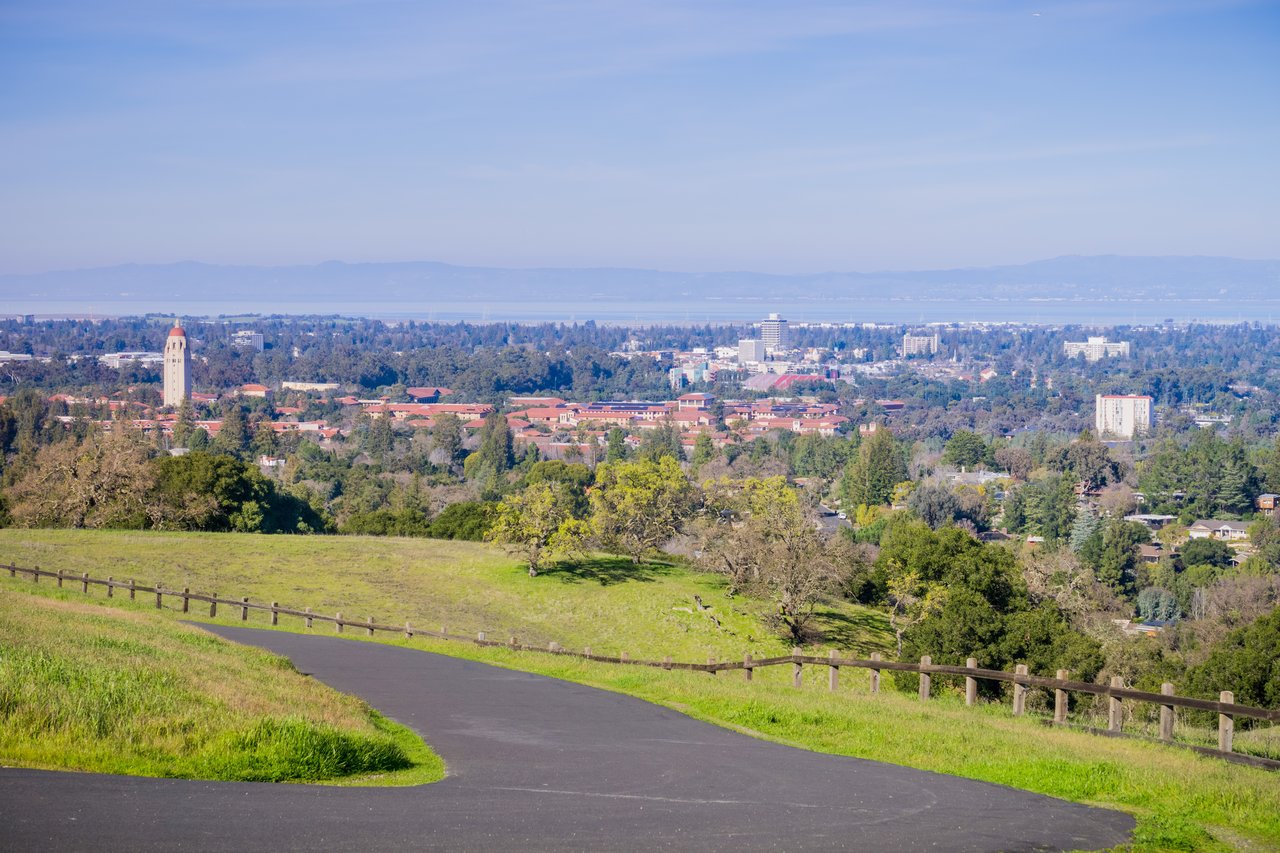
Panoramic Bay Views and Wooded Privacy Above Stanford University
Awarded By Inman, 2019 & 2024
Stanford Hills real estate comes with an asterisk, and you need to understand the asterisk before anything else. These 78 homes sit on Stanford University-owned land off Sand Hill Road. You own the house. Stanford owns the ground underneath it. That land lease structure changes the financing, the resale math, and the buyer pool. It also happens to be one of the only ways into the western Menlo Park foothills without a fee-simple price tag.
The neighborhood itself is striking. One road in, one road out. Eucalyptus-lined streets that climb into the hills. Bay views from some lots that genuinely rival what you'd see in the Hollywood Hills. A social committee that organizes regular gatherings for all 78 households. It's a small, private world five minutes from Sand Hill Road.
Every home in Stanford Hills sits on land owned by Stanford University, ground-leased to developers in 1959. The developers built the subdivision, then assigned individual leases to buyers. The original lease runs through 2058, with extension options up to 51 additional years beyond that.
What this means in practice: not every lender will write a mortgage on leasehold property. You need a buyer's agent and a lender who have closed these transactions before like those at Straser Silicon Valley. The upside is that Stanford Hills homes typically trade below comparable fee-simple properties in Sharon Heights or West Menlo Park. For the right buyer, that's a meaningful advantage.
Local Tip: The lease mechanics here are specific. Extension rights, lender requirements, and resale implications all need to be understood before you write an offer. This isn't a neighborhood where you wing it.
The homes are largely midcentury ranch-style, built when the subdivision went in during the late 1950s and 1960s. Some have been opened up and modernized inside. Others keep their original character. The hillside terrain means split-level layouts, elevation changes between neighboring lots, and mature eucalyptus framing the views.
With one road in and out, the streets feel removed in a way that's hard to find this close to Sand Hill Road. Traffic is essentially nonexistent.
The Stanford Dish is the backyard. A 3.5-mile paved loop through Stanford's foothills with panoramic Bay views. Open during daylight hours. Some Stanford Hills residents can walk to the trailhead.
Stanford Golf Course runs along the neighborhood's eastern boundary. Eighteen holes, open to the public, and doubles as a green buffer between the homes and the more developed areas below.
Sand Hill Road is right there. That means:
Schools depend on exact location but draw from both the Las Lomitas Elementary School District and the Menlo Park City School District. Both are top-tier. Menlo-Atherton High School covers grades 9 through 12. Menlo School and Phillips Brooks are close private options.
Getting out is straightforward. Sand Hill Road connects to Highway 280 in minutes. Alpine Road routes to Highway 101 on the Palo Alto side. Stanford campus and the research parks along Page Mill Road are a short drive.
Stanford University owns the land beneath every home. Homeowners own their structures and hold a ground lease that began in 1959. Extensions are available through 2058, with the option to add up to 51 more years. It's a structure that requires specific financing knowledge.
Generally, yes. Leasehold properties trade at a discount relative to equivalent fee-simple homes in Menlo Park. That discount reflects the lease structure and the narrower lending pool, but it also creates an opening for buyers who wouldn't otherwise access this location.
Seventy-eight. The subdivision hasn't expanded since the 1950s, and the single-entry layout keeps the neighborhood feeling small.
A 3.5-mile paved loop through Stanford's foothills, open to the public during daylight hours. It's one of the most popular walking and running routes on the Peninsula, with views that span the Bay.
Sharon Heights is the larger neighbor with more housing variety, including condos and townhomes, plus its own golf and country club. Stanford Hills is much smaller, entirely single-family, and defined by the leasehold structure. Both share the foothills setting and Sand Hill Road access, but they feel very different on the ground.
231 people live in Stanford Hills, where the median age is 47 and the average individual income is $169,678. Data provided by the U.S. Census Bureau.
Total Population
Median Age
Population Density
Average individual Income
Stanford Hills has 63 households, with an average household size of 2. Data provided by the U.S. Census Bureau. Here’s what the people living in Stanford Hills do for work — and how long it takes them to get there. Data provided by the U.S. Census Bureau. 231 people call Stanford Hills home. The population density is 16,432 and the largest age group is Data provided by the U.S. Census Bureau.
Total Population
Population Density Population Density This is the number of people per square mile in a neighborhood.
Median Age
Men vs Women
Population by Age Group
0-9 Years
10-17 Years
18-24 Years
25-64 Years
65-74 Years
75+ Years
Education Level
Total Households
Average Household Size
Average individual Income
Households with Children
With Children:
Without Children:
Blue vs White Collar Workers
Blue Collar:
White Collar:
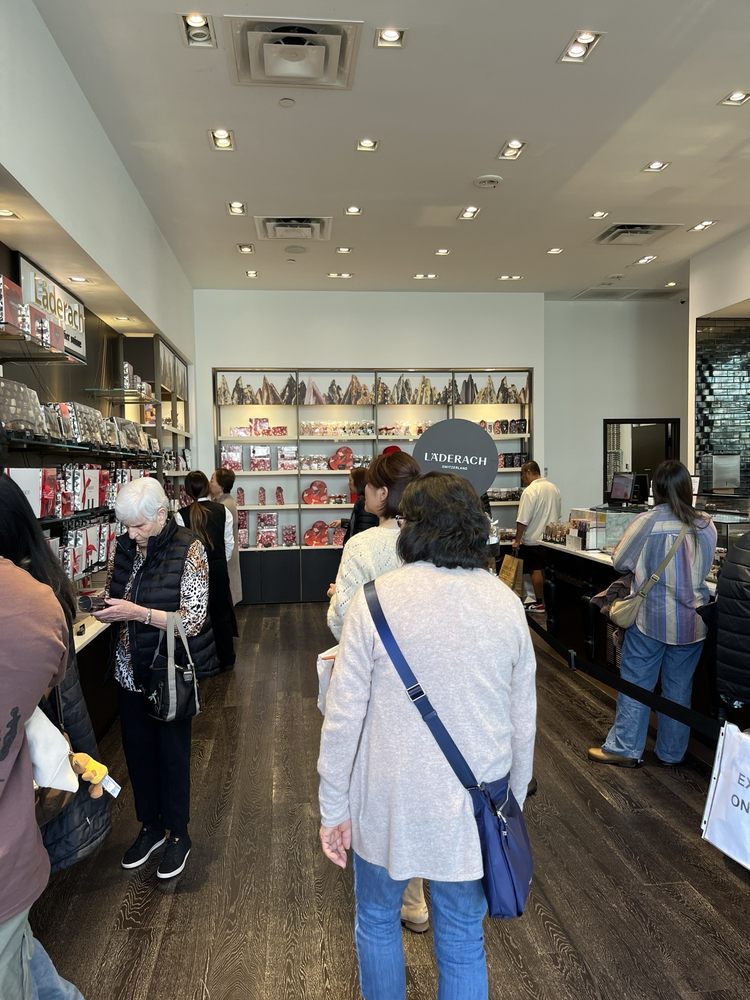
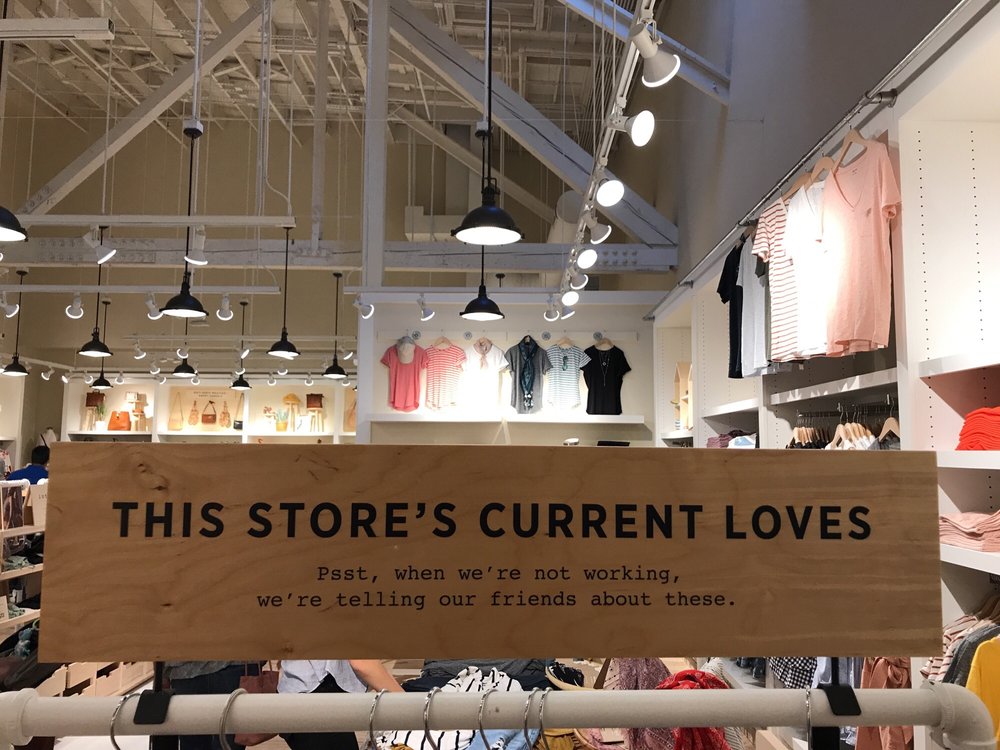
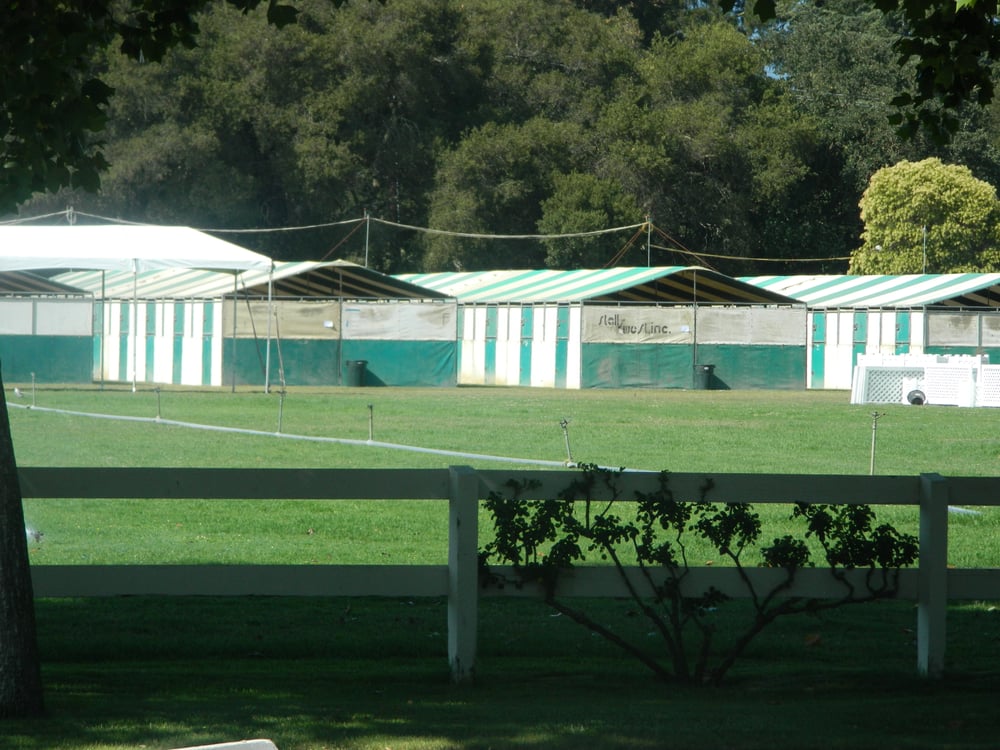
There's plenty to do around Stanford Hills, including shopping, dining, nightlife, parks, and more. Data provided by Walk Score and Yelp.
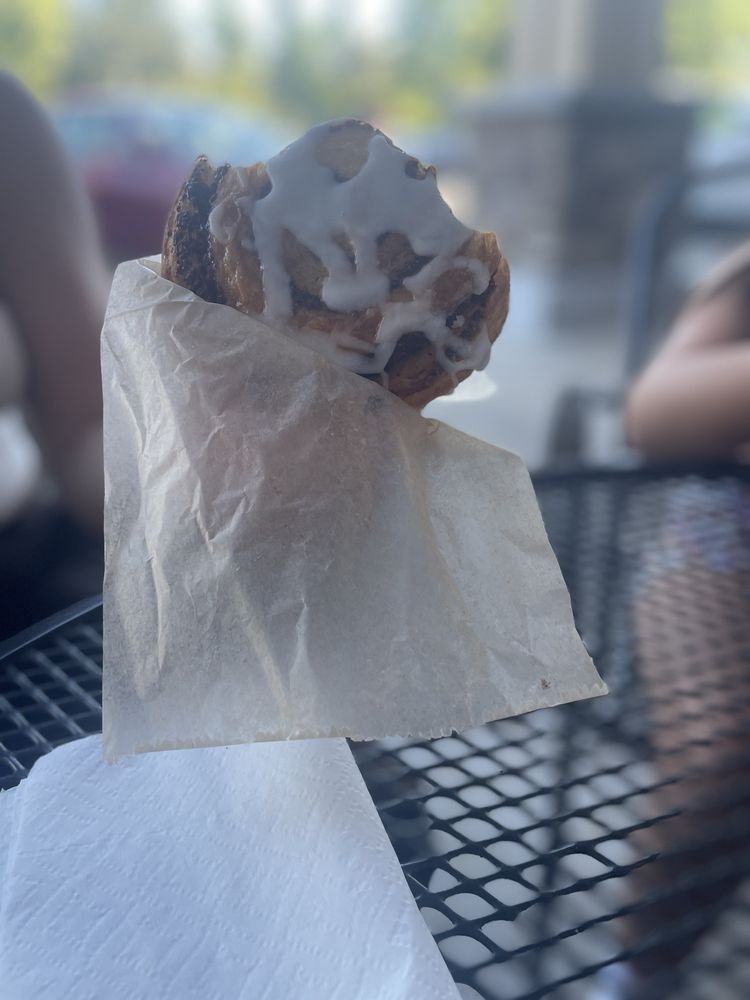
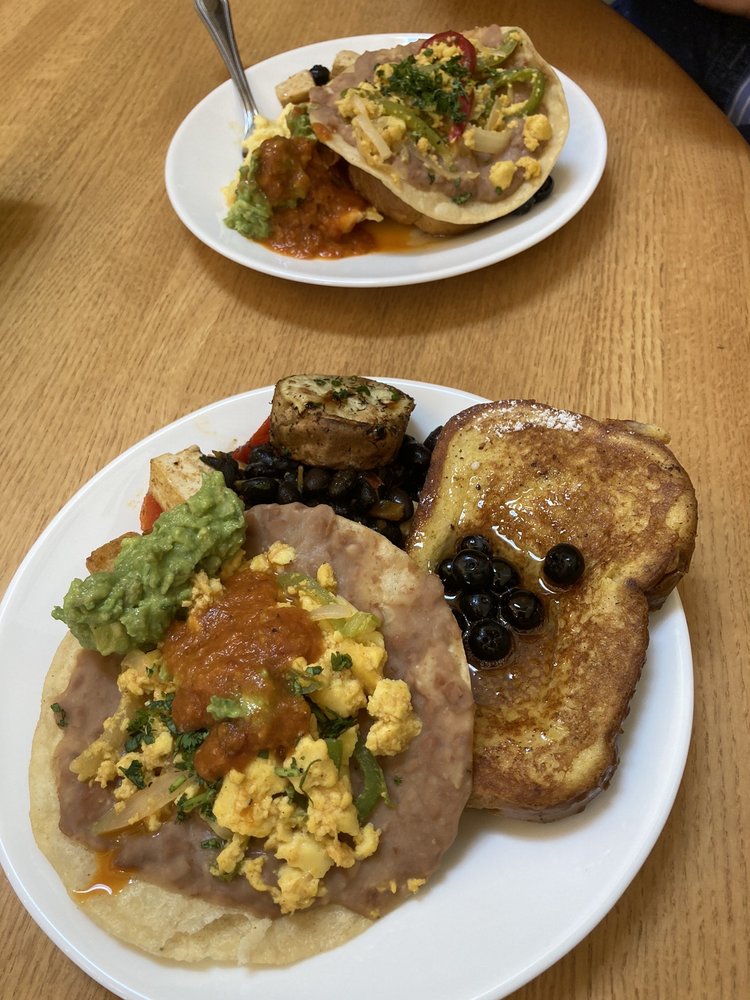
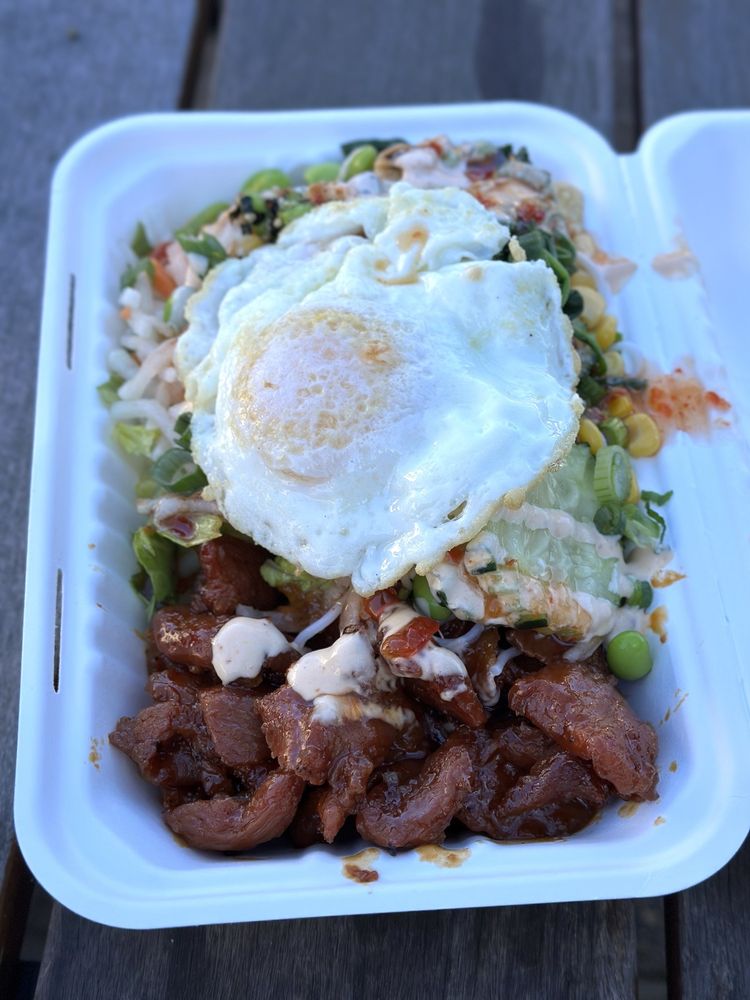
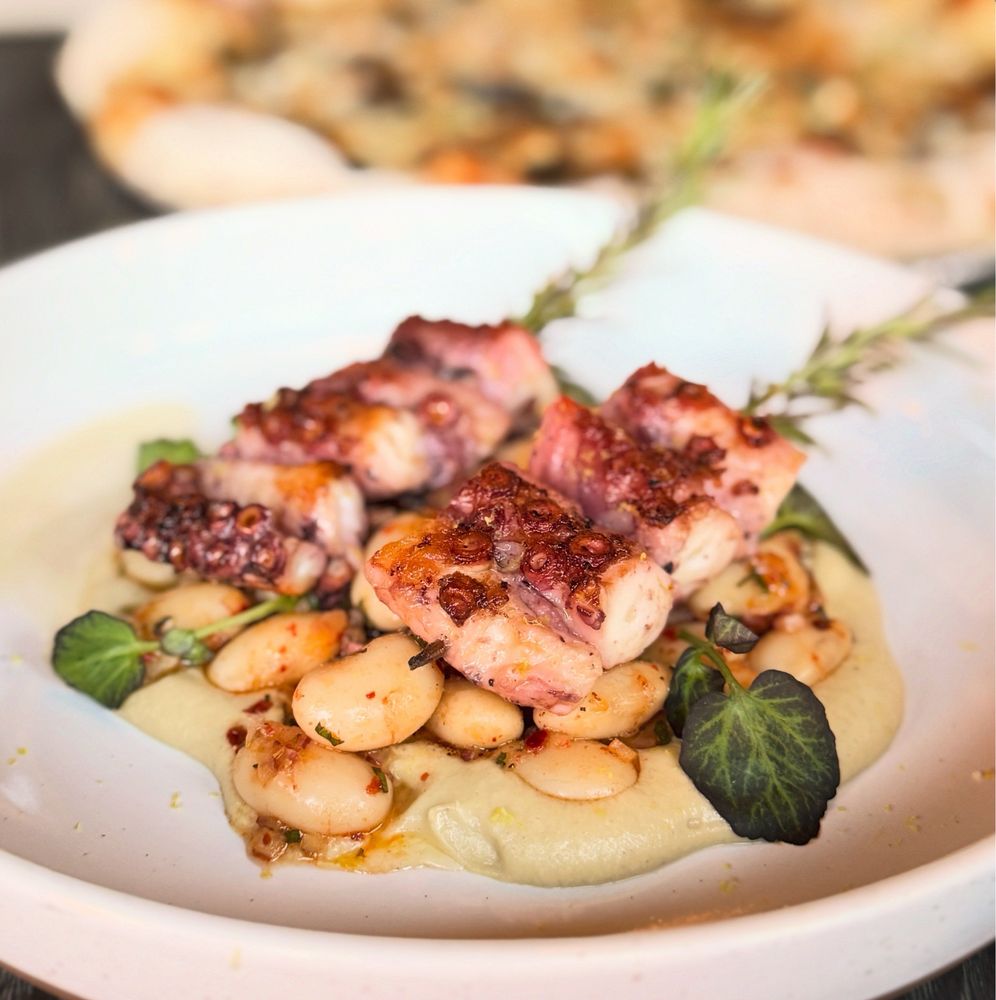
Explore popular things to do in the area, including Woodside Bakery & Cafe, Ricker Dining, and Wetzel's Pretzels.
| Name | Category | Distance | Reviews |
Ratings by
Yelp
|
|---|---|---|---|---|
| Dining · $$ | 0.19 miles | 508 reviews | 3.4/5 stars | |
| Dining | 0.78 miles | 0 reviews | 0/5 stars | |
| Dining | 1.28 miles | 0 reviews | 0/5 stars | |
| Dining | 1.29 miles | 65 reviews | 4.5/5 stars | |
| Dining · $$ | 1.49 miles | 47 reviews | 4/5 stars | |
| Dining · $$$ | 1.53 miles | 484 reviews | 3.9/5 stars | |
| Dining | 1.81 miles | 85 reviews | 4.1/5 stars | |
| Dining · $$ | 1.82 miles | 345 reviews | 3.6/5 stars | |
| Shopping | 0.78 miles | 0 reviews | 0/5 stars | |
| Shopping | 1.88 miles | 31 reviews | 3.9/5 stars | |
| Shopping | 1.89 miles | 69 reviews | 2.8/5 stars | |
| Shopping | 1.9 miles | 6 reviews | 3.2/5 stars | |
| Active | 0.55 miles | 0 reviews | 0/5 stars | |
| Active | 0.62 miles | 0 reviews | 0/5 stars | |
| Active | 1.38 miles | 3 reviews | 1.3/5 stars | |
| Active | 1.75 miles | 7 reviews | 2.9/5 stars | |
| Active | 1.84 miles | 8 reviews | 5/5 stars | |
| Nightlife | 1.2 miles | 9 reviews | 1.7/5 stars | |
| Beauty | 0.76 miles | 11 reviews | 4.2/5 stars | |
| Beauty | 0.81 miles | 0 reviews | 0/5 stars | |
| Beauty | 0.94 miles | 0 reviews | 0/5 stars | |
| Beauty | 1.63 miles | 0 reviews | 0/5 stars | |
| Beauty | 1.84 miles | 45 reviews | 3.3/5 stars | |
| Beauty | 1.89 miles | 0 reviews | 0/5 stars | |
|
|
||||
|
|
||||
|
|
||||
|
|
||||
|
|
||||
|
|