Curious where new construction in Menlo Park is really happening, and what today’s spec homes actually look like? If you are thinking about buying, selling, or simply tracking the local market, it helps to know that Menlo Park’s newer inventory is not showing up as large subdivisions. Instead, you are seeing a mix of corridor-scale development, lot-by-lot infill, and a small builder-led spec market. This guide breaks down where activity is clustering, what features are shaping demand, and what it could mean for your next move. Let’s dive in.
Menlo Park’s new construction pattern
Menlo Park’s housing pipeline is being shaped in part by the city’s certified 2023-2031 Housing Element. According to the City of Menlo Park’s housing update, the plan supports approximately 3,000 housing units through 2031 across all income levels, with about 70 housing opportunity sites identified citywide.
That matters because it helps explain why new construction in Menlo Park looks more scattered than many buyers expect. Rather than one dominant master-planned community, the city’s current pattern is small-batch infill paired with larger corridor-based projects.
Where new homes are clustering
Downtown and El Camino focus
Downtown and the El Camino Real corridor remain major policy targets for housing growth. The city’s Housing Element program details call for removing the 680-unit residential cap in the El Camino Real/Downtown Specific Plan area and removing the 10,000-square-foot minimum lot size requirement for some R-3 parcels near downtown.
The city is also studying public parking lots downtown for potential housing, with a program target of at least 345 affordable units on a combination of those sites. For buyers and sellers, that signals ongoing attention on this corridor as a place where future inventory may continue to emerge.
Willow, Middlefield, and Bayfront activity
A second major cluster sits around Willow Road, Middlefield Road, Bohannon Drive, and the Bayfront side of town. The city identifies current or recent projects such as Willow Village, Parkline, 123 Independence Drive, and Oak Gardens as part of this larger entitlement activity.
These projects are different from scattered luxury spec homes on single lots. They reflect a broader redevelopment pattern tied to larger parcels, reused commercial land, and corridor planning.
Single-family infill remains scattered
For-sale new construction in single-family settings tends to be more dispersed. Recent examples in the research point to activity in areas near downtown, Stanford, Allied Arts, and The Willows, which fits Menlo Park’s broader pattern of lot-by-lot redevelopment rather than concentrated tract building.
In practical terms, if you are shopping for a newer home in Menlo Park, you may need to search across several pockets instead of focusing on one new-home community. If you are selling, your property may be competing with only a limited number of truly comparable new builds nearby.
Why Menlo Park spec homes feel different
Menlo Park’s spec-home market is small. According to Zillow’s builder page referenced in the research, there are only six spec homes, with two move-in ready and four under construction, averaging 2,909 square feet and 4.8 bedrooms.
That tells you something important. In Menlo Park, spec homes are generally builder-led, single-lot projects, not rows of similar homes in a large development.
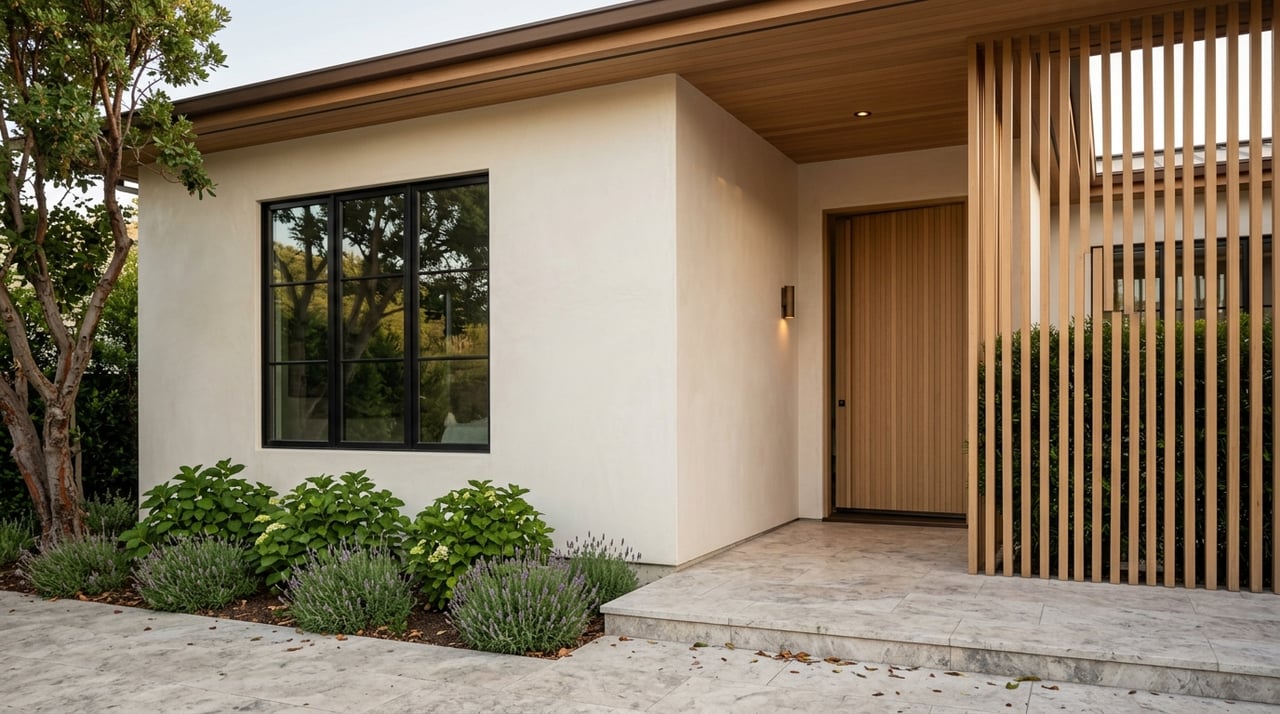
This can create more variation from one property to the next. One new home may lean warm modern, another may feel more traditional, and another may emphasize attached living near major corridors. For buyers, that means more individuality but fewer apples-to-apples comparisons. For sellers, it means pricing strategy needs to account for design quality, lot utility, and finish level, not just square footage.
How lots are being transformed
ADUs and redevelopment are driving change
A major share of Menlo Park’s new housing activity comes from ADUs, SB 9 lot splits, and single-family redevelopment, often paired with ADUs. In the city’s recent housing commission packet, Menlo Park reported permits for 102 new dwelling units in 2025, following 176 in 2024 and 65 in 2023.
The same Housing Commission agenda packet notes that replacement housing on single-family lots is now counted more clearly in state reporting. That means teardown-and-rebuild activity is becoming easier to see in the city’s production totals.
Infill is happening citywide
Permit examples listed by the city span Hobart, Oakwood, Cleland, Shasta, Whitaker, Woodland, Byers, Bay, Alma, Waverley, Santa Monica, Baywood, Hermosa, and Menalto. The takeaway is not that one street is taking over the market. It is that infill is showing up across Menlo Park on a lot-by-lot basis.
For homeowners, this reinforces the value of looking beyond the home itself. A property’s permit history, expansion path, and lot flexibility may matter almost as much as its current finishes.
Larger sites rely on consolidation
On larger sites, redevelopment is more likely to involve parcel consolidation or reuse of underused commercial land. The city’s 2024 housing commission materials indicate that parcel consolidation is not considered a major constraint on many inventory parcels.
That supports the broader trend you are seeing in projects like Willow Village, 123 Independence Drive, Parkline, and Oak Gardens. These are not isolated exceptions. They are part of Menlo Park’s larger redevelopment story.
Features buyers are responding to
Light and flow lead the list
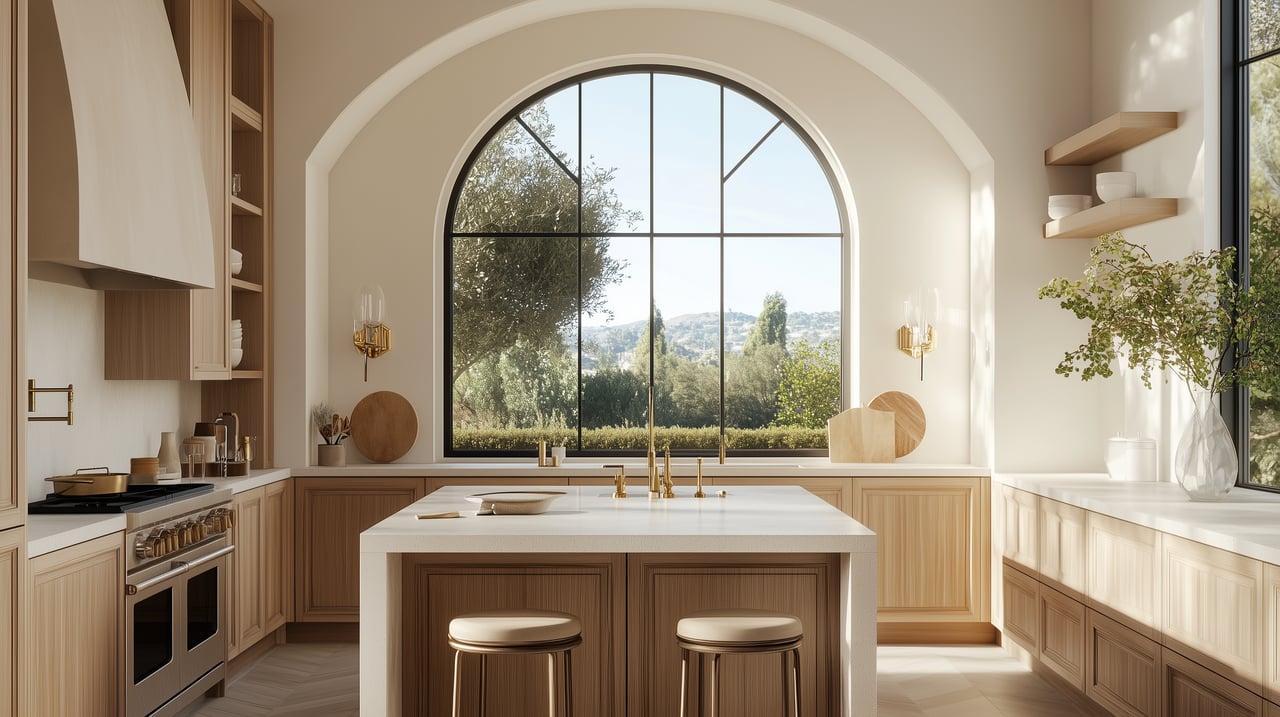
The clearest design trend in Menlo Park new construction is a strong move toward natural light, indoor-outdoor connection, and flexible living spaces. The research highlights features such as floor-to-ceiling windows, skylights, gourmet kitchens, storage, double-pane windows, separate family rooms, laundry areas, stainless appliances, and breakfast bars as common value-adding elements.
Across current listings cited in the research, that same theme appears again and again. You see open-concept layouts, large decks, covered patios, private yards, BBQ and firepit areas, smart-home controls, media rooms, home offices, entertainment spaces, and spa-style primary suites.
Flexible spaces matter more
Today’s buyers often want spaces that can adapt over time. In newer Menlo Park homes, that can mean a home office, a media room, an extra lounge area, or a layout that supports both everyday living and entertaining.
This matters because flexibility has become part of the value proposition. A house that feels easy to live in now, and easy to adapt later, tends to stand out more than a home that simply has new finishes.
Sustainability is gaining ground
Sustainability and electrification are becoming a more visible part of the new-construction story as well. The research notes that the city is proposing electric prewiring standards so panel upgrades can support all-electric homes ahead of the Bay Area Air Quality Management District’s 2027 gas water heater ban.
For buyers, that can make newer homes appealing from both a convenience and planning standpoint. For sellers of older homes, it is a reminder that infrastructure readiness can influence how a property is perceived against newer competition.
New build vs. remodeled home
If you are deciding between a new home and a remodeled one in Menlo Park, the answer often comes down to layout, lot, and future flexibility.
Newer homes tend to compete on modern floor plans, lower maintenance needs, and electrification readiness. Remodeled homes may still hold strong value when they sit on compelling parcels with room for ADU potential, redevelopment options, or long-term adaptability.
This is especially relevant in established parts of town near downtown, Allied Arts, The Willows, and the El Camino corridor. In these areas, buyers may weigh a polished remodel against a newly built home, but they are often also evaluating what the lot allows over time.
Here is a simple way to think about it:
| Option | Often Appeals Because Of | Key Consideration |
|---|---|---|
| New construction | Modern layout, low maintenance, newer systems, electrification readiness | Smaller supply and wider pricing variation |
| Remodeled home | Character, established setting, potentially strong lot utility | Quality of remodel and future expansion or ADU potential |
| Spec home | Move-in convenience and current design trends | Builder quality, lot value, and how unique the home is |
What this means if you are buying
If you are buying in Menlo Park, expect limited spec inventory and a market where no two new homes feel exactly alike. It helps to evaluate each property on several levels:
- The location and surrounding development pattern
- The lot’s usability and future flexibility
- Permit history and redevelopment context
- Infrastructure readiness, including all-electric potential
- The quality of layout, light, and indoor-outdoor flow
In a market with relatively few spec homes, understanding these details can help you avoid overpaying for surface-level finishes while recognizing real long-term value.
What this means if you are selling
If you are selling, the rise in new construction does not automatically put older homes at a disadvantage. It does mean buyers may compare your property against newer design standards, especially around natural light, flexible space, and low-maintenance living.
That is where presentation and positioning matter. A well-prepared home with a strong lot, a clear improvement story, and thoughtful pricing can compete effectively, particularly in established Menlo Park locations where land utility remains part of the appeal.
For many sellers, the right strategy is not to imitate new construction. It is to identify what your property does best and bring that value into sharp focus before going to market.
If you are weighing a purchase, a sale, or the timing of a future project in Menlo Park, local context matters. The Straser Silicon Valley Team offers a white-glove, data-driven approach to help you evaluate new construction, lot potential, and positioning in a fast-moving Peninsula market.
FAQs
What are the main new construction areas in Menlo Park?
- The biggest areas of activity are downtown and the El Camino Real corridor, plus the Willow Road, Middlefield Road, Bohannon Drive, and Bayfront areas, with scattered infill in established single-family neighborhoods.
How common are spec homes in Menlo Park?
- Spec homes are relatively limited in Menlo Park, with the current market described in the research as a small builder-led segment rather than a large tract-home environment.
What features are popular in Menlo Park new homes?
- Common features include floor-to-ceiling windows, open layouts, indoor-outdoor living areas, gourmet kitchens, home offices, smart-home features, storage, and spa-style primary suites.
How is Menlo Park adding new housing units?
- Menlo Park is adding housing through corridor-based development, larger entitlement projects, ADUs, SB 9 lot splits, and teardown-and-rebuild activity on single-family lots.
Should you choose new construction or a remodeled home in Menlo Park?
- The better fit depends on your priorities, but many buyers compare modern layout and low maintenance in new homes against lot value, character, and future flexibility in remodeled properties.