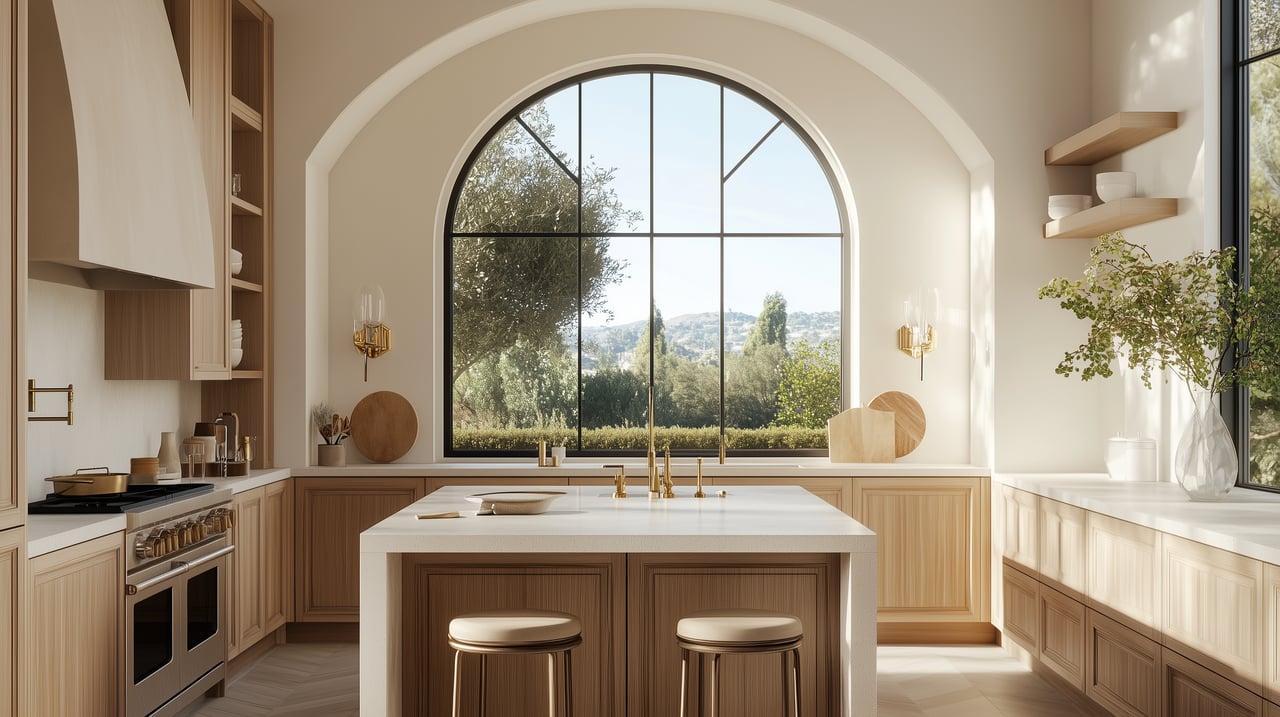
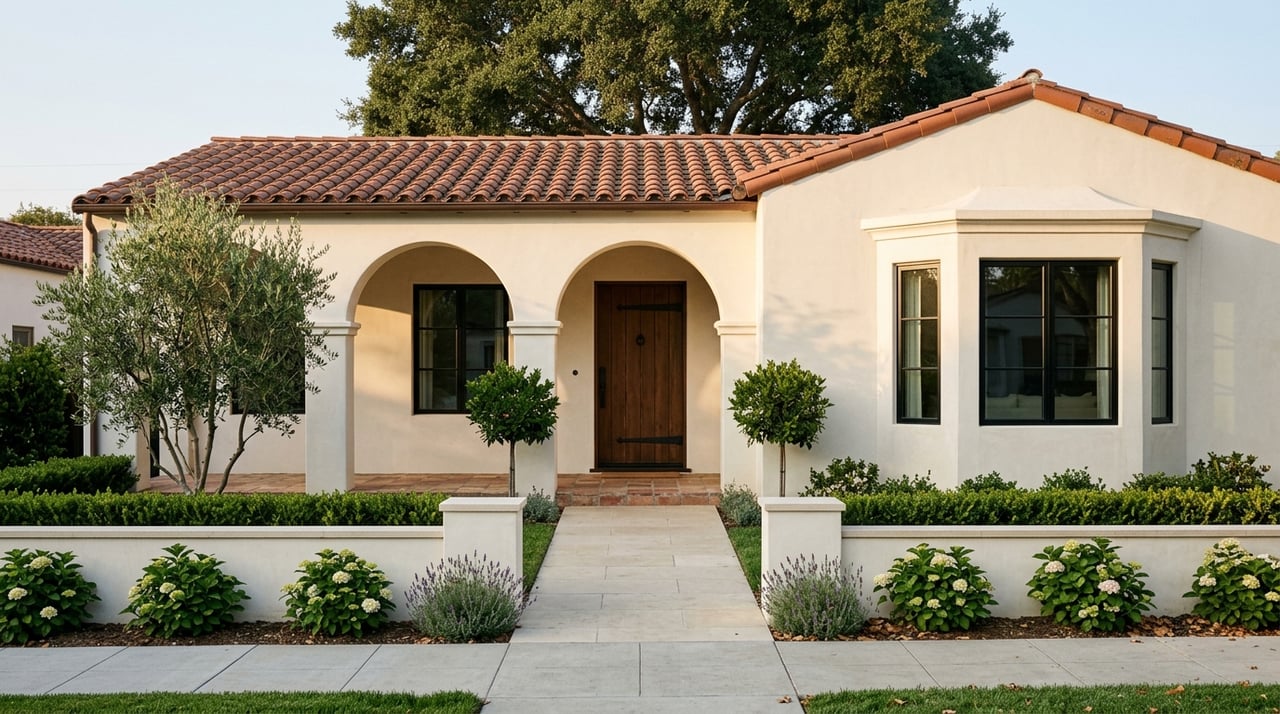
If you are deciding between Allied Arts, Linfield Oaks, and The Willows in Menlo Park, the right fit often comes down to how you want daily life to feel. Some buyers want to be close to downtown and Caltrain, some want easy access to parks and civic amenities, and others want a more residential setting with neighborhood-scale conveniences. This guide breaks down the differences so you can compare each area with more clarity and confidence. Let’s dive in.
How these Menlo Park neighborhoods differ
All three neighborhoods offer a distinct version of Menlo Park living, but they do not serve the same priorities. Based on city planning and neighborhood materials, Allied Arts is the most downtown-oriented, Linfield Oaks offers a strong mix of convenience and civic access, and The Willows feels the most residential.
For many buyers, the best choice is less about which neighborhood is “best” overall and more about which one best matches your routine. Your commute, your preference for walkability, and how much importance you place on parks, grocery access, or flood-zone diligence can all shift the answer.
Allied Arts: best for downtown access
Allied Arts, also referred to in city materials alongside Stanford Park, sits just southeast of downtown Menlo Park. It is bounded by Middle Avenue, El Camino Real, San Francisquito Creek, and Arbor Road, and the city describes it as a primarily residential neighborhood.
The housing pattern is shaped by one- and two-story single-family homes, with some multi-family homes throughout and larger commercial and apartment buildings concentrated along El Camino Real. The area was largely built out by 1948, and many of the original homes date from 1926 to 1940 in period-revival styles.
What stands out in Allied Arts
The biggest draw is proximity to downtown Menlo Park. The city describes downtown as a walkable mix of shops and restaurants on tree-lined streets, and Caltrain notes that the Menlo Park station is one block from downtown Santa Cruz Avenue.
That places Allied Arts closest to the strongest concentration of dining, shopping, and station-area activity among these three neighborhoods. If you want a shorter path to downtown amenities, this is the clearest standout.
Historic character and local identity
Allied Arts also carries a strong sense of architectural character. One notable landmark is the Allied Arts Guild at 75 Arbor Road, a 1929 Spanish Colonial Revival complex that remains a historic arts-and-gardens anchor in the area.
For buyers who value older homes and an established neighborhood feel, that history can be a meaningful part of the appeal. The area reads as more urban and connected than the other two options, while still being residential in character.
Allied Arts tradeoffs to consider
The convenience here is strongest for downtown access, but not every daily errand is equally close. City materials note that most of the neighborhood is not within a half-mile of a grocery store, with the nearest groceries located just west of the neighborhood.
There are also no open-space areas within Allied Arts itself, although Nealon Park and Jack W. Lyle Park are just outside its west side. The city says Allied Arts is not in a flood hazard area, but because it sits near San Francisquito Creek, parcel-level review is still a prudent step for homes close to that edge.
Linfield Oaks: best balance of convenience
Linfield Oaks is bounded by Middlefield Road, Alma Street, San Francisquito Creek, and Burgess Drive. The city describes it as a mix of residential, retail, and public-facility uses, with both single-family and multi-family homes.
The neighborhood was largely built out by 1956, and city character reports point to Ranch and Mid-Century Modern as prevailing architectural styles. Compared with Allied Arts, the housing stock can feel more varied in both format and era.
Why Linfield Oaks is so practical
If you want central Menlo Park access with everyday convenience, Linfield Oaks stands out. The city says the neighborhood is within a half-mile of three grocery stores, which is a meaningful advantage for day-to-day livability.
It also benefits from adjacency to Burgess Park and the Civic Center recreation cluster. That cluster includes the pool, gymnastics center, recreation center, skate park, and gymnasium, making this area especially appealing for buyers who value nearby public amenities.
Commute and connectivity in Linfield Oaks
Linfield Oaks is not the strongest transit neighborhood of the three, but it does offer useful commute links. The city notes that Alma Street can constrain connectivity and that public transit service is limited, yet residents can still reach Bayfront Expressway after exiting the neighborhood to the west or southeast.
Willow Road also provides connectivity to the north end of the city. In addition, Menlo Park’s free M4 Willow Road Shuttle runs between Menlo Park Caltrain and the Willow Road business parks, with a listed stop at Linfield Drive and Middlefield Road.
Linfield Oaks tradeoffs to consider
The main tradeoff is that this is not the most transit-dense or downtown-adjacent option. If your top priority is walking quickly to the Santa Cruz Avenue core or the Caltrain station area, Allied Arts generally has the edge.
That said, Linfield Oaks makes a strong case if you want a central setting with useful grocery access, civic amenities, and practical links to major commute corridors. The city also says Linfield Oaks is not in a flood hazard area.
The Willows: best for a residential feel
The Willows sits northeast of downtown and is primarily a detached single-family neighborhood. According to the city, nonresidential uses are limited to scattered commercial and service frontage along Willow Road, Middlefield Road, and Menalto Avenue.
This is the least mixed-use of the three neighborhoods. If you are looking for a setting that feels more residential and less tied to the downtown core, The Willows often rises to the top.
Housing character in The Willows
City documents describe The Willows as a mix of early-20th-century homes and post-war ranch houses. The neighborhood includes one- to two-story single-family homes, mature trees, and in some subareas, a more woodsy feel.
Most homes are within a half-mile of one of three grocery stores, which helps support daily convenience even though the neighborhood is more spread out overall. That combination can appeal to buyers who want a quieter residential environment without giving up basic nearby services.
Parks and mobility in The Willows
Willow Oaks Park is a key neighborhood amenity. The city describes it as a 2.63-acre park with soccer, tennis, an off-leash dog area, and paved walking paths.
Mobility, however, works differently here than in Allied Arts or Linfield Oaks. The city says The Willows is more car-and-bike oriented, with US-101 and San Francisquito Creek creating barriers, while most homes are more than a quarter-mile from a bus stop.
Most streets do have ADA-compliant sidewalks, and Willow Road includes a Class II bike lane. Even so, the overall pattern remains less transit-connected and less walkable than the downtown-adjacent alternatives.
Flood diligence matters more in The Willows
For buyers comparing risk factors, this is the neighborhood where parcel-level flood review matters most. The city says about 75% of the neighborhood west of Menalto Avenue and 15% east of Menalto Avenue are in a flood hazard area.
That does not make The Willows the wrong choice. It simply means due diligence should be more detailed here than in Allied Arts or Linfield Oaks.
Quick comparison at a glance
| Neighborhood | Best fit for | Housing feel | Convenience highlights | Key tradeoff |
|---|---|---|---|---|
| Allied Arts | Buyers who want downtown access | Historic, established, mostly one- to two-story homes | Closest to downtown Menlo Park and station-area amenities | Less grocery proximity for much of the neighborhood |
| Linfield Oaks | Buyers who want central convenience | Mixed housing with many Ranch and Mid-Century influences | Grocery access, Burgess Park, Civic Center, shuttle access | Less immediate downtown walkability |
| The Willows | Buyers who want a more residential setting | Primarily detached single-family homes with mature trees | Grocery access, Willow Oaks Park, bike access | More limited transit and greater flood-zone diligence |
Which neighborhood may suit you best
If you picture yourself walking to restaurants, shops, and the Caltrain area most often, Allied Arts likely deserves the closest look. It offers the strongest downtown connection and a distinctive historic character.
If your priority is a central Menlo Park location with practical day-to-day convenience, Linfield Oaks may be the most balanced choice. Grocery access, civic amenities, and shuttle connectivity give it strong all-around utility.
If you want a more residential atmosphere with detached homes, mature trees, and neighborhood park access, The Willows may feel most aligned. You will simply want to pair that appeal with careful parcel-level flood review.
Choosing between these neighborhoods is easier when you compare not just home styles, but also how each area supports your everyday routine. If you want tailored guidance on where to focus your search in Menlo Park, the Straser Silicon Valley Team offers a discreet, highly personalized approach grounded in local market knowledge.
FAQs
What is the most walkable neighborhood among Allied Arts, Linfield Oaks, and The Willows in Menlo Park?
- Allied Arts is the most walkable and downtown-oriented of the three because it sits directly next to downtown Menlo Park and near the station-area retail and restaurant cluster.
Which Menlo Park neighborhood has the best access to parks and civic amenities?
- Linfield Oaks stands out for access to Burgess Park and the Civic Center recreation cluster, which includes the pool, gymnastics center, recreation center, skate park, and gymnasium.
Which Menlo Park neighborhood feels most residential?
- The Willows feels the most residential because it is primarily a detached single-family neighborhood with limited commercial frontage.
Which neighborhood has the most important flood-zone due diligence in Menlo Park?
- The Willows requires the most flood-related diligence because the city says a substantial share of the neighborhood falls within a flood hazard area.
Is Allied Arts close to downtown Menlo Park and Caltrain?
- Yes. Allied Arts is directly adjacent to downtown Menlo Park, and the Menlo Park Caltrain station is a one-block walk from downtown Santa Cruz Avenue.
Which Menlo Park neighborhood is best for grocery access?
- Linfield Oaks and The Willows both have strong grocery access, with city materials noting that most homes in The Willows and Linfield Oaks are within a half-mile of multiple grocery options.