What if your morning coffee, your evening dinner, and your train to the city were all a short walk from home? If you are weighing a Peninsula move, it is natural to picture what daily life actually feels like. You want walkability, quality of life, and a smart plan for housing and commute. This guide shows you what it is like to live around downtown Menlo Park, how the neighborhood works day to day, and which home types best support a car-light lifestyle. Let’s dive in.
Why downtown Menlo Park
Peninsula location and vibe
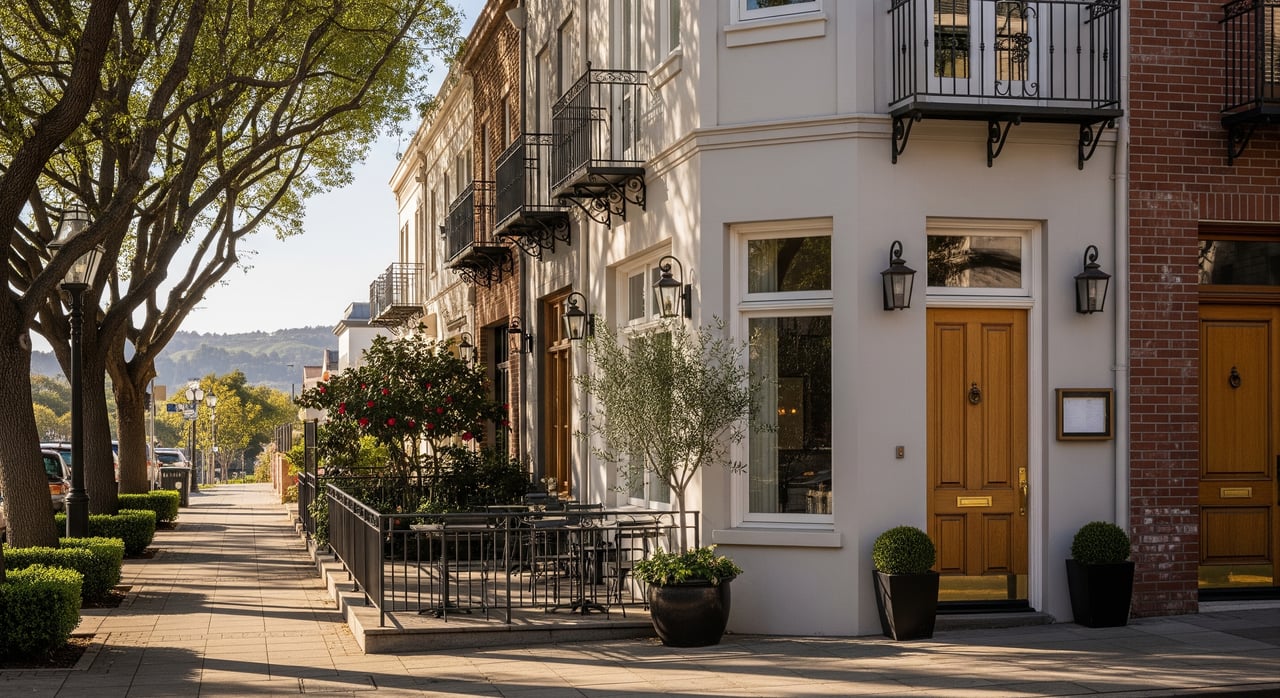
Downtown Menlo Park sits along Santa Cruz Avenue, within a compact, tree-lined core that feels like a classic main street. The setting is central on the Peninsula, with Palo Alto to the south, Redwood City to the north, and the Bay to the east. The city’s planning focus for the downtown area guides walkability, storefront character, and future development. If you want a high-level planning and civic snapshot, start with the City of Menlo Park.
Menlo Park is part of the Silicon Valley employment ecosystem. Proximity to Stanford and major employers influences housing demand and supports vibrant local retail. For broader city context and demographics, the U.S. Census city-level snapshot is a reliable starting point.
A day on Santa Cruz Avenue
Morning starts with a short walk to a local café for coffee and a pastry. Sidewalks are wide, shaded by street trees, and lined with independent shops. You pass neighbors walking dogs and commuters heading toward the Caltrain station.
Around lunchtime, you might browse a boutique, pick up a gift, or grab a salad at a casual spot. Errands are easy to stack: bank, dry cleaning, and a quick stop for groceries are all close by.
In the evening, outdoor tables fill up for dinner. The pace is relaxed. You can stroll, choose a sit-down restaurant, or meet friends for dessert before heading home on foot.
Walkability, dining, and shopping
Walkable main street
Downtown Menlo Park’s core is compact and human-scale. Sidewalks, curbside parking, and storefront retail make it comfortable to move at a walking pace. You can cover most of Santa Cruz Avenue in minutes, stopping as you go.
Dining and coffee
You will find morning cafés, lunch go-tos, and sit-down restaurants for dinner, many with outdoor seating. The range runs from casual to higher-end, so you can match the plan to your mood. Because the core is small, it is common to walk for coffee, brunch, or a dinner out.
Everyday services
Many day-to-day needs are a short walk: banks, salons, a nearby post office branch, and small medical and dental offices. For a full grocery run or big-box items, you are a short drive from larger options on El Camino Real or in neighboring cities. For current business listings and local events, the Menlo Park Chamber of Commerce is a helpful resource.
Housing near downtown
What you will find
Within walking distance of Santa Cruz Avenue, you will see a mix of housing types:
- Older single-family homes on tree-lined streets, including Victorian, Craftsman, and ranch styles.
- Small-lot remodels and newer rebuilds that reflect ongoing demand across the Peninsula.
- Low- to mid-rise condos and townhomes near the Caltrain station and the downtown core.
- Smaller apartment buildings and a handful of newer mixed-use or multifamily developments on the downtown edges.
Car-light living options
If you want a car-light lifestyle, condos, townhomes, and apartments closest to Santa Cruz Avenue and the Caltrain station are the most practical. You can walk to coffee, dining, and daily errands, then take the train for regional trips. Smaller single-family homes within a 5 to 10 minute walk of downtown also make it easy to walk for everyday needs. Many buyers still prefer at least one garage or parking space on the Peninsula, so weigh convenience against your storage and car needs.
Market context
Menlo Park is a premium Peninsula market, shaped by location and demand. Pricing trends and inventory move with regional conditions. Instead of focusing on a single number, track live market updates through official sources and your agent’s analysis, and compare neighborhoods based on commute, walkability, and housing type.
Getting around with ease
Caltrain and transit
The Menlo Park Caltrain station sits at the edge of the downtown core. It is a primary link for trips to San Francisco or San Jose. Review Caltrain schedules and station info when planning commute timing. SamTrans and select employer shuttles add bus and private shuttle options for nearby campuses.
Driving and parking
You have direct access to El Camino Real, with US‑101 and I‑280 a short drive away. Like much of the Peninsula, peak-hour congestion is common, so build in time for commutes. Downtown street parking is typically metered in the core, and some residential streets use permits or loading zones. For current rules, consult City of Menlo Park parking resources.
Biking and trails
Menlo Park has bike-friendly routes that link downtown to parks and neighborhood streets. For weekend miles, the Bayfront offers open space, views, and long, flat stretches. City-managed parks, including the popular Bedwell Bayfront Park, provide access to shoreline paths and the regional Bay Trail.
Parks, schools, and community rhythm
Parks and open space
Beyond pocket parks and playgrounds, Bedwell Bayfront Park is a standout for walking, biking, and birding with panoramic Bay views. You can reach it by bike in a short ride from downtown. For field schedules, picnic areas, and facility details, check the city’s parks and recreation information.
Schools and childcare
Menlo Park addresses K‑8 through the Menlo Park City School District, and high schools through the Sequoia Union High School District. Enrollment is governed by district boundaries and policies, so confirm school assignment and options directly with each district before you rely on proximity to downtown.
Events and local business community
Merchant events, seasonal promotions, and community gatherings give downtown a steady rhythm. For calendars and current happenings, follow the Menlo Park Chamber of Commerce and city announcements.
Is downtown life right for you?
Consider downtown Menlo Park if you want:
- A compact, walkable main street lifestyle.
- Quick access to Caltrain for regional travel.
- Short errands for coffee, dining, gifts, and services.
- A mix of condos, townhomes, and smaller single-family homes near the core.
- Easy connections to parks, Bayfront trails, Stanford, and nearby cities.
If you are ready to compare housing options around Santa Cruz Avenue, align your search with your commute, parking preferences, and daily routine. A focused plan will help you act quickly when the right home appears.
You deserve guidance from a team that understands this market block by block and can execute with speed. If you are exploring a move in or around downtown Menlo Park, connect with Straser Silicon Valley for a white-glove consultation and a clear path forward.
FAQs
What makes downtown Menlo Park walkable?
- The core along Santa Cruz Avenue is compact, with wide sidewalks, street trees, and storefronts that cluster daily needs within a short walk.
Can I live car-light near Santa Cruz Avenue?
- Yes. Condos, townhomes, and apartments near the Caltrain station and the downtown core support walking for errands and train commutes.
How do I commute from downtown Menlo Park without driving?
- Use the Menlo Park Caltrain station for trips to San Francisco or San Jose; see Caltrain schedules and station info for timing.
Where can I find parks and trails nearby?
- City-managed parks and the Bayfront, including Bedwell Bayfront Park, offer trails, open space, and Bay views within a short bike ride.
Which public school districts serve Menlo Park?
- K‑8 is served by the Menlo Park City School District, and high schools are in the Sequoia Union High School District; confirm boundaries with each district.
Is parking easy if I still keep a car?
- Many chores are walkable, but you may still drive for larger errands; check City of Menlo Park parking resources for metered and permit details.